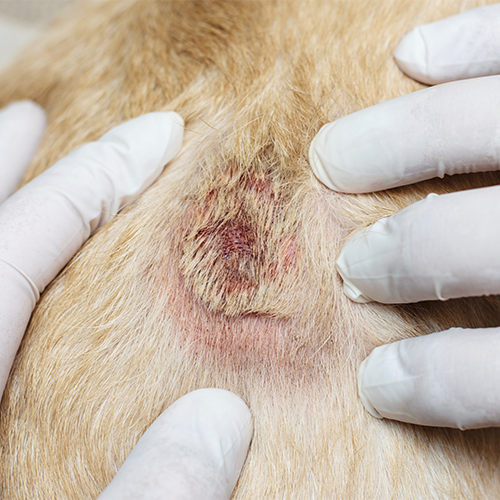
If your dog still smells after a bath, the cause is almost never the bath itself. Bathing removes surface dirt — but persistent dog odour comes from skin, ears, glands, or underlying health issues that shampoo cannot reach.
In Singapore's humidity, these problems compound quickly. Moisture that never fully evaporates keeps feeding the bacteria and yeast responsible for recurring smell — which is why the odour often returns within hours of bathing, not days.
This guide helps you diagnose the smell, identify the source, and apply fixes that work.

Photo by Jamie Street on Unsplash
Quick Answer: Why Does My Dog Still Smell After a Bath?
A dog that still smells after bathing is most commonly caused by:
-
Yeast or bacterial overgrowth on the skin
-
Anal gland issues (fishy smell)
-
Ear infections
-
Dental disease
-
Trapped moisture in the coat, folds, or paws
Bathing alone cannot resolve any of these. Each requires a targeted approach based on the smell type and the body system involved.
Step 1 — Diagnose the Smell
Before changing shampoos or grooming routines, identify the smell type. Treating the wrong system is the most common reason dog odour keeps returning.
Smell Type → Likely Cause
|
Smell Type |
Most Likely Cause |
Key Signs |
|
Fishy or metallic |
Anal glands |
Scooting, rear licking |
|
Sour, musty, mildew-like |
Yeast or skin infection |
Greasy coat, itching, redness |
|
Wet towel / damp dog |
Trapped moisture |
Damp fur after baths or rain |
|
Rotten or sewage-like |
Ear infection or dental disease |
Head shaking, bad breath |
|
Corn chips |
Natural paw bacteria |
Mild smell, paw licking |
|
Sweet or fruity breath |
Possible diabetes |
Weight loss, excessive thirst |
|
Ammonia breath |
Possible kidney disease |
Lethargy, poor appetite |
Body System → Smell Profile
|
System |
Smell Profile |
Supporting Signs |
|
Skin |
Sour, musty, cheesy |
Redness, itching, oily coat |
|
Ears |
Yeasty, rotten, sweet |
Head shaking, discharge |
|
Anal glands |
Fishy, metallic |
Scooting, licking rear |
|
Mouth |
Bacterial, faecal-like |
Tartar, inflamed gums |
When the Smell Appears
|
Timing |
Most Likely Cause |
|
Same day after bath |
Yeast overgrowth or shampoo residue |
|
1–2 days after bath |
Moisture-driven bacterial regrowth |
|
Only after rain or walks |
Environmental moisture trigger |
|
Constantly present |
Anal glands or dental disease |
Why Humidity Makes Dog Odour Worse

Photo by Pamela Plamondon on Unsplash
Persistent dog odour is often driven by a simple cycle:
Moisture → microbial growth → odour compounds → recurring smell
When moisture remains trapped in the coat, skin folds, ears, or paws, naturally occurring bacteria and yeast can multiply rapidly. As these microbes grow, they produce compounds responsible for the sour, musty, fishy, or "wet dog" smells many owners notice after bathing.
Several environmental factors can make this problem worse:
-
High humidity slows drying after baths or walks
-
Rain exposure repeatedly dampens the coat and paws
-
Dense or double coats retain moisture for longer periods
-
Skin folds can trap heat and moisture close to the skin
-
Limited airflow indoors may slow evaporation
Dogs living in warm, humid climates often experience odour recurrence more frequently because moisture remains on the skin for longer. Breeds with heavy coats, floppy ears, or prominent skin folds are especially vulnerable.
This is why improving drying techniques is often just as important as choosing the right shampoo. Even a perfectly clean dog may develop recurring odour if moisture remains trapped beneath the coat or within skin folds.
The 7 Main Causes of Dog Smell After Bathing
1. Yeast and Skin Infections — Most Common Cause
A sour or musty smell returning quickly after bathing almost always indicates Malassezia yeast or bacterial overgrowth. These microbes live naturally on dog skin but multiply when moisture is trapped, allergies weaken the skin barrier, or oil production increases.
Signs: greasy coat, constant scratching, red or thickened skin, smell returns within hours
Highest-risk breeds: French Bulldog, Pug, Shar Pei
Daily cleaning with anti-yeast grooming wipes is often more effective than frequent bathing for fold-heavy breeds.
2. Poor Drying in Humid Conditions
Moisture trapped near the skin after bathing continues feeding bacteria and yeast long after the surface appears dry. This is one of the most underestimated causes of wet dog smell in Singapore — and why dogs can smell even after professional grooming.
Highest-risk breeds: Golden Retriever, Labrador, Shiba Inu
Focus drying on paws, ears, groin, armpits, folds, and undercoat. A dog-safe blow dryer with fan airflow dramatically reduces recurrence.
3. Ear Infections
If the smell is strongest near the head, the ears are the most likely source. Ear infections produce sweet, rotten, or yeasty odours — and bath water entering the ear canal can trigger or worsen infection.
Signs: head shaking, dark discharge, pawing at ears, sensitivity when touched
Highest-risk breeds: Cocker Spaniel, Basset Hound, Beagle
Weekly ear maintenance with a dog-specific cleaning solution reduces moisture buildup — particularly important in humid environments.
4. Anal Gland Issues — The Fishy Smell
A fishy smell that survives bathing almost always originates from the anal glands. These scent sacs can become blocked, impacted, or infected. Small breeds and overweight dogs are prone to recurring issues.
Signs: scooting, licking rear excessively, sudden fishy odour, discomfort when sitting
*Anal gland expression should be performed by a vet or trained groomer — not attempted at home without proper instruction.
5. Dental Disease
Bacterial odour from advanced dental disease spreads into the coat through saliva during self-grooming. Many owners mistake this for a skin or body smell.
Signs: tartar buildup, inflamed gums, drooling, reluctance to chew
Smaller breeds are especially prone due to crowded teeth. Routine brushing with dog-safe toothpaste and VOHC-approved dental chews significantly reduces odour-causing bacteria.
6. Diet and Gut Health
Diet affects skin barrier quality, oil production, and body odour directly. Low-quality food can worsen yeast susceptibility and weaken skin health. Fish-heavy diets may also intensify natural body scent.
Higher-quality diets with omega fatty acids and adequate fibre often improve skin condition and anal gland function over time.
7. Wrong Shampoo or Over-Bathing
Human shampoos and excessive bathing strip natural skin oils, weakening the barrier and triggering aggressive oil rebound. Bathing too often can make dogs smell worse — not better.
Use a dog-specific shampoo matched to the underlying issue: anti-yeast, deodorising, or sensitive skin — based on what the diagnostic tables identified.
How to Fix Dog Odour: Step-by-Step

Core Bathing Routine
-
Brush thoroughly before bathing to remove loose coat
-
Wet the coat fully down to skin level
-
Apply a dog-specific deodorising or medicated shampoo
-
Massage into folds, paws, underside, and groin
-
Rinse completely — shampoo residue worsens odour
-
Towel dry thoroughly
-
Blow dry fully, focusing on undercoat, folds, paws, and ears
In Singapore, drying quality matters as much as shampoo selection.
Between-Bath Maintenance
|
Task |
Frequency |
|
Wipe paws after walks |
Daily |
|
Clean skin folds |
Daily (fold breeds) |
|
Brush coat |
3–4 times weekly |
|
Check and clean ears |
Weekly |
|
Dry fur after rain exposure |
Every time |
Grooming wipes formulated for humid climates are practical between full baths — especially for fold breeds and heavy-coated dogs.
Dental and Anal Gland Care
Dental: Brush teeth at least 3–4 times weekly, ideally daily. Supplement with VOHC-approved dental chews or water additives.
Anal glands: Increase dietary fibre, maintain healthy weight, monitor for scooting. Consult a vet or groomer if recurrence continues.
Home Environment
|
Area |
Recommended Action |
|
Bedding |
Weekly hot wash |
|
Sofa and carpet |
Enzyme-based cleaner |
|
Collar and harness |
Monthly wash |
|
Indoor air |
Dehumidifier or HEPA air purifier |
Enzyme cleaners break down odour molecules at the source — they are significantly more effective than fragrance sprays or fabric fresheners.
Frequently Asked Questions
Why does my dog smell worse after a bath? Bathing activates existing yeast and bacteria on the skin, making odour compounds temporarily more noticeable as the coat dries. If the smell is consistently worse after bathing, this suggests underlying yeast overgrowth or a skin infection rather than a hygiene issue. Switching to an anti-yeast shampoo and improving drying technique usually resolves this.
Why does my dog still smell after professional grooming? Professional grooming improves surface cleanliness but cannot resolve ear infections, yeast overgrowth, anal gland problems, or dental disease. If the smell returns within one to two days of grooming, the source is medical rather than hygiene-related. A vet assessment is the appropriate next step rather than more frequent grooming.
Why does my dog smell fishy even after a bath? A fishy smell that survives bathing almost always comes from the anal glands, not the coat. The glands may be full, blocked, or infected — none of which bathing can address. The glands need to be expressed or assessed by a vet or trained groomer to resolve the odour at its source.
Why does my dog smell musty after bathing? A musty or mildew-like smell returning quickly after a bath typically indicates Malassezia yeast overgrowth on the skin. This is common in Singapore's humidity, where moisture trapped in the coat and folds creates ideal conditions for microbial growth. An anti-yeast shampoo and thorough blow drying are the most effective first steps.
Should I bathe my dog more often if they smell? Usually no. Over-bathing strips natural skin oils, disrupts the skin barrier, and frequently increases odour recurrence rather than reducing it. For most dogs in Singapore, bathing every four to six weeks combined with daily maintenance and proper drying is more effective than frequent full baths. Dogs prone to yeast or skin issues may benefit from medicated wash routines between baths.
Why does my dog smell worse in Singapore's humidity? Singapore's humidity — averaging 80–90% — slows evaporation from the coat, keeping skin, folds, and ears damp for longer after bathing or walks. This creates ideal conditions for yeast and bacterial growth. Dogs in Singapore require more consistent drying maintenance than dogs in cooler or drier climates.
How often should I bathe my dog in Singapore? Every four to six weeks suits most breeds, combined with daily paw wipes, fold cleaning for wrinkle-prone breeds, and thorough drying after rain or walks. Dogs prone to yeast or skin issues may benefit from medicated wash routines between baths rather than bathing more frequently.
When to See a Vet
Seek veterinary attention if:
-
Smell persists despite consistent grooming and improved drying
-
Ears produce discharge, dark wax, or a strong odour
-
Skin becomes red, thickened, or develops sores or hair loss
-
Scooting or rear licking continues
-
Sweet, fruity, or ammonia breath develops
-
Your dog appears uncomfortable, lethargic, or is eating less than usual
Persistent odour is almost always easier and less costly to treat early — before chronic skin inflammation, ear infections, or gland complications become established.
The Bottom Line
A dog that still smells after bathing is rarely a hygiene problem. It is most often a signal from the skin, ears, glands, or mouth — amplified by Singapore's humidity into something that returns faster and more persistently than owners expect.
Diagnose the smell first. Treat the source. Prioritise thorough drying. Seek veterinary advice early if the smell persists despite consistent care.